Understanding the Ripple Effects of Community Change
Dear friends in faith, when we hear news of major supermarket chains like Kroger confirming the closure of 60 stores, as recently reported, our hearts should turn not just to the economic implications, but to the human stories behind these statistics. Each closure represents families who will struggle to access affordable groceries, elderly neighbors who may lose their primary source of fresh food, and communities that will face new challenges in maintaining their social fabric.
The Hidden Impact of Retail Closures on Vulnerable Communities
When major retailers close their doors, the effects ripple far beyond simple inconvenience. For many in our communities, these closures create what researchers call "food deserts" - areas where access to affordable, nutritious food becomes severely limited. This particularly affects our most vulnerable neighbors: seniors with limited mobility, families without reliable transportation, and those living on fixed incomes.
The Psychological Impact of Resource Scarcity
From a psychological perspective, the loss of familiar community anchors like neighborhood stores can trigger feelings of abandonment and anxiety. When people lose access to basic necessities close to home, it can create a sense of helplessness and social isolation. This is where our understanding of trauma-informed care becomes crucial - we must recognize that community disruption affects mental and emotional wellbeing, not just physical needs.
"Religion that God our Father accepts as pure and faultless is this: to look after orphans and widows in their distress and to keep oneself from being polluted by the world." - James 1:27
The Church's Biblical Mandate for Community Care
As followers of Christ, we are called to be the hands and feet of Jesus in our communities. When secular institutions fail or withdraw, the church has both the opportunity and responsibility to step into the gap. This isn't just about charity - it's about justice, dignity, and reflecting God's heart for the marginalized.
Learning from the Early Church Model
The book of Acts provides us with a powerful model for community resource sharing. The early believers "had everything in common" and "gave to anyone who had need" (Acts 2:44-47). This wasn't socialism - it was love in action, a voluntary sharing that ensured no one in their community lacked basic necessities.
"All the believers were together and had everything in common. They sold property and possessions to give to anyone who had need." - Acts 2:44-45
Practical Ways Churches Can Respond to Community Resource Gaps
When supermarket chains close stores, leaving communities underserved, churches can implement several evidence-based strategies to address the resulting food insecurity and social isolation. These approaches combine practical community development with spiritual care.
1. Establishing Community Food Pantries and Mobile Markets
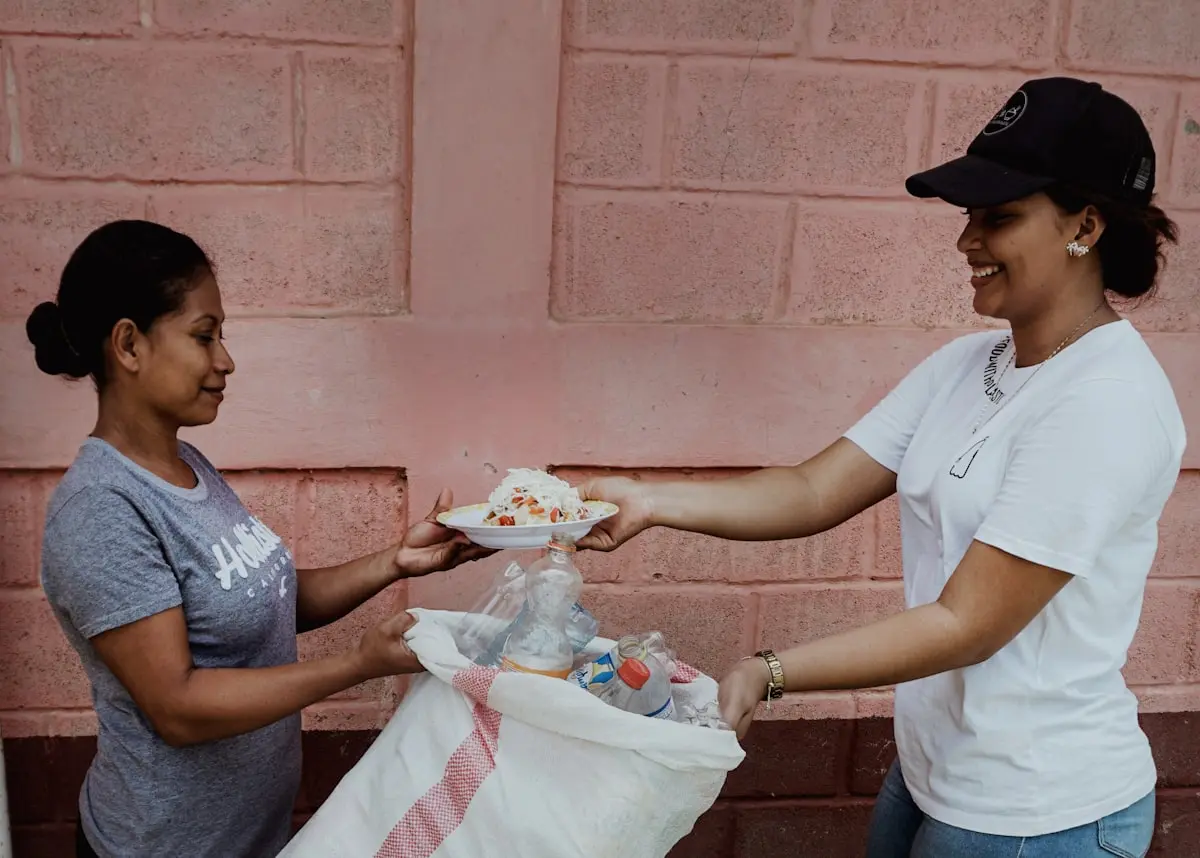
Food pantries serve as immediate relief for families facing food insecurity. However, effective pantries go beyond simply distributing food - they preserve dignity by offering choice, provide nutritious options, and create opportunities for relationship building. Mobile food markets can reach isolated community members who cannot travel to fixed locations.
2. Community Gardens and Food Education Programs
Teaching people to grow their own food addresses both immediate needs and long-term food security. Community gardens also provide therapeutic benefits, reduce stress, and create natural gathering spaces where relationships can flourish. These programs embody the principle of teaching someone to fish rather than simply giving them a fish.
3. Transportation and Shopping Assistance Programs
When local stores close, transportation becomes a critical barrier to food access. Churches can organize volunteer driver programs, coordinate group shopping trips, or partner with ride-sharing services to ensure vulnerable community members can reach grocery stores and medical appointments.
Addressing the Emotional and Psychological Needs
Community disruption affects more than physical needs - it impacts mental health, social connections, and sense of security. Churches are uniquely positioned to address these deeper needs through both practical support and spiritual care.
Cognitive Reframing: Finding Hope in Crisis
When communities face challenges like store closures, it's natural for residents to feel helpless or abandoned. Cognitive reframing techniques can help people shift from "Why is this happening to us?" to "How can we work together to create something better?" This psychological approach aligns with biblical principles of finding purpose in suffering and trusting God's sovereignty.
Building Social Connection and Community Resilience
Research consistently shows that strong social connections are among the most powerful predictors of mental health and community resilience. Churches can facilitate these connections through regular community meals, support groups, skill-sharing workshops, and intergenerational programs that bring people together around common goals.
"Two are better than one, because they have a good return for their labor: If either of them falls down, one can help the other up." - Ecclesiastes 4:9-10
Building Partnerships for Sustainable Impact
Effective community care requires collaboration beyond the church walls. Successful programs often involve partnerships with local government, nonprofit organizations, businesses, and other faith communities. This collaborative approach maximizes resources and ensures comprehensive care for community needs.
Interfaith and Ecumenical Cooperation
When facing community-wide challenges, denominational differences become secondary to shared human compassion. Churches can work together across denominational lines, and even with other faith traditions, to pool resources and expertise. This cooperation demonstrates the unity of the body of Christ while serving practical needs.
Partnering with Local Government and Nonprofits
Churches bring unique assets to community partnerships: volunteer networks, meeting spaces, trusted relationships, and moral authority. Local governments and established nonprofits bring funding, expertise, and systemic knowledge. Together, these partnerships can create more comprehensive and sustainable solutions than any single organization could achieve alone.
Understanding Economic Justice Through a Biblical Lens
The closure of major supermarket chains often reflects broader economic inequalities and corporate decisions that prioritize profit over community wellbeing. As Christians, we're called to examine these systemic issues through the lens of biblical justice, which consistently advocates for the poor and marginalized.
The Church's Prophetic Voice in Economic Matters
The Hebrew prophets consistently spoke against economic systems that oppressed the poor and concentrated wealth among the few. Today's church must similarly advocate for policies and practices that ensure all community members have access to basic necessities like food, healthcare, and housing. This isn't political activism - it's biblical faithfulness.
"Learn to do right; seek justice. Defend the oppressed. Take up the cause of the fatherless; plead the case of the widow." - Isaiah 1:17
Stewardship and Resource Distribution
Biblical stewardship extends beyond individual financial management to community-wide resource distribution. When we see abundance in some areas while others lack basic necessities, we're called to facilitate redistribution that reflects God's heart for equity and justice. This might involve advocating for living wages, supporting local businesses, or creating cooperative economic structures.
Trauma-Informed Community Care
Many individuals affected by store closures and resource scarcity carry additional trauma from poverty, discrimination, or past experiences of abandonment. Effective community care must be trauma-informed, recognizing how past experiences shape present responses and creating environments of safety, trust, and empowerment.
Creating Safety and Building Trust
Trauma-informed care begins with creating physical and emotional safety. This means ensuring that food distribution sites are welcoming and dignified, that volunteers are trained in respectful interaction, and that programs are designed to empower rather than create dependency. Trust is built through consistency, transparency, and genuine relationship.
Empowerment and Choice
Effective community programs offer choices rather than imposing solutions. This might mean allowing people to select their own food items, involving community members in program planning, or providing multiple ways to access services. Empowerment recognizes that people are experts on their own needs and circumstances.
Building Sustainable, Long-Term Solutions
While immediate relief is crucial, churches must also work toward sustainable solutions that address root causes of food insecurity and community vulnerability. This requires both direct service and advocacy for systemic change.
Supporting Local Economic Development
Churches can support the development of local food systems, small businesses, and cooperative enterprises that keep resources within the community. This might involve providing microloans, offering business mentorship, or creating markets for local producers. Such initiatives build community wealth and resilience.
Advocacy and Policy Change
Sustainable change often requires policy intervention at local, state, and federal levels. Churches can advocate for zoning laws that prevent food deserts, transportation policies that serve low-income communities, and economic policies that support living wages and affordable housing. This advocacy work is a natural extension of caring for the vulnerable.
"Speak up for those who cannot speak for themselves, for the rights of all who are destitute. Speak up and judge fairly; defend the rights of the poor and needy." - Proverbs 31:8-9
Practical Steps for Churches to Begin Community Care Ministry
If your church feels called to respond to community resource needs, here are concrete steps to begin this vital ministry:
1. Conduct a Community Needs Assessment
Before launching programs, spend time listening to your community. Survey residents, interview local leaders, and research existing services. Understanding specific needs, gaps, and assets will help you design effective interventions that complement rather than duplicate existing efforts.
2. Start Small and Build Relationships
Begin with manageable initiatives that allow you to build trust and learn from experience. A monthly community meal or small food pantry can grow into more comprehensive programming as relationships develop and needs become clearer. Focus on relationship-building rather than just service delivery.
3. Train Volunteers in Dignity-Preserving Service
Ensure that all volunteers understand the importance of treating service recipients with dignity and respect. Provide training on trauma-informed care, cultural sensitivity, and the difference between charity and justice. The goal is empowerment, not dependency.
4. Measure Impact and Adapt
Regularly evaluate your programs' effectiveness through both quantitative measures (number of families served, pounds of food distributed) and qualitative feedback (stories of transformation, community feedback). Be willing to adapt and change based on what you learn.
5. Connect Service to Spiritual Formation
Help your congregation understand that community service is not separate from spiritual growth but integral to it. Provide opportunities for reflection, prayer, and theological discussion about justice, mercy, and God's heart for the vulnerable. This deepens both faith and commitment to service.
Hope for the Future: Building Beloved Community
While supermarket closures and resource scarcity present real challenges, they also offer opportunities for communities to come together in new ways. When we respond with creativity, compassion, and commitment to justice, we can build what Dr. Martin Luther King Jr. called "beloved community" - places where all people have what they need to thrive.
Personal and Community Transformation
Engaging in community care ministry transforms not only those who receive services but also those who provide them. Volunteers often report that serving others deepens their faith, broadens their perspective, and increases their sense of purpose. Communities become stronger when people work together toward common goals.
"And let us consider how we may spur one another on toward love and good deeds, not giving up meeting together, as some are in the habit of doing, but encouraging one another—and all the more as you see the Day approaching." - Hebrews 10:24-25
Conclusion: Called to Be the Body of Christ in Action
When major retailers close their doors and leave communities underserved, the church has an opportunity to demonstrate the love of Christ in tangible ways. By addressing both immediate needs and systemic issues, by combining practical service with advocacy for justice, and by building relationships that transcend economic transactions, we can be the hands and feet of Jesus in our neighborhoods.
The challenges facing our communities are real, but so is the power of God working through His people. As we respond to resource scarcity and community disruption with creativity, compassion, and commitment to justice, we participate in God's work of healing and restoration. May our churches be known not just for what we believe, but for how we love our neighbors in their time of need.
I encourage you to pray about how God might be calling your church to respond to community needs in your area. Whether it's starting a food pantry, advocating for policy change, or simply building relationships with vulnerable neighbors, every act of love matters in God's kingdom. Together, we can build communities where everyone has access to the resources they need to flourish.